Geometric Digital Paper Patterns Packs: Precision, Versatility, and Creative Confidence
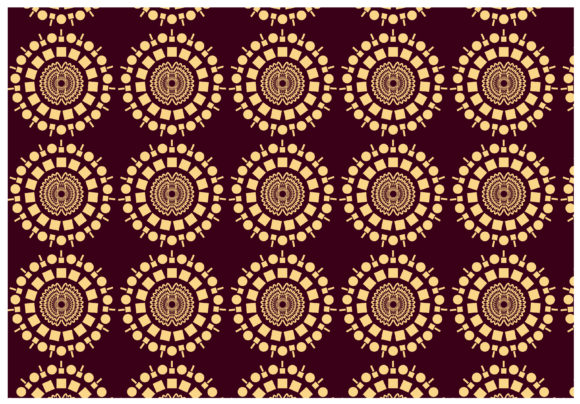
Geometric Digital Paper Patterns Packs meet a quiet but growing need in today’s creative workflows: high-fidelity, ready-to-use design assets that balance structure with stylistic flexibility. Unlike generic textures or overused stock backgrounds, these packs deliver intentional, mathematically grounded patterns—clean lines, repeating angles, tessellated shapes, and symmetrical motifs—all rendered at print-ready resolution. They’re not just “pretty”—they’re purpose-built for professionals who value consistency, scalability, and visual cohesion across physical and digital outputs.
Why Geometry Still Matters in a World of AI-Generated Imagery
As generative tools flood the market with endless visual variations, many designers, crafters, and small business owners are circling back to intentional, human-curated pattern sets—not as a rejection of technology, but as a strategic counterbalance. Geometric Digital Paper Patterns Packs offer predictability in an unpredictable landscape. You know exactly how a 30° diamond grid will align on a greeting card, how a hexagonal motif scales across a social media banner, or how a subtle triangular overlay enhances a product photo without competing for attention. That level of control matters when brand identity, print accuracy, or user experience is non-negotiable.
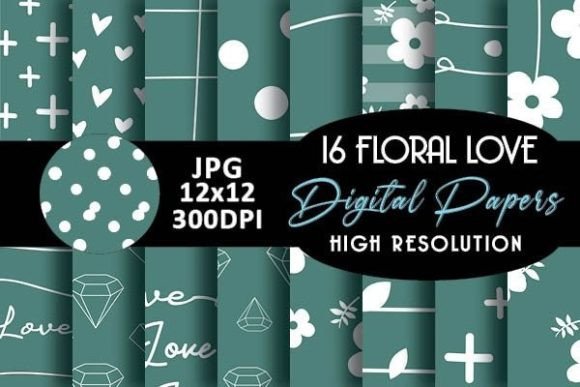
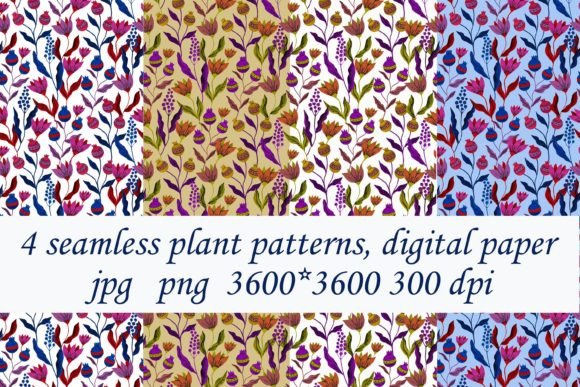
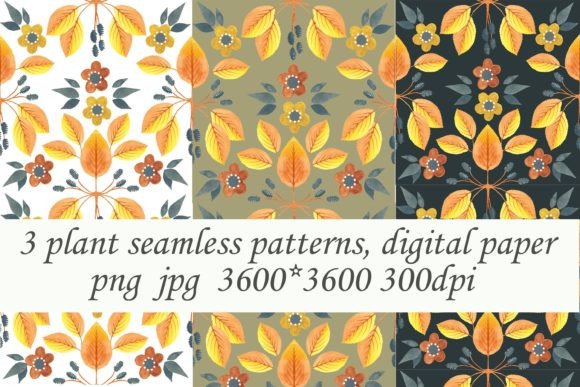
This isn’t nostalgia—it’s workflow pragmatism. When you’re designing three custom cup wraps before noon, prepping classroom handouts for Monday, or building a cohesive Instagram feed for a handmade goods shop, time spent adjusting opacity, re-tessellating tiles, or troubleshooting pixelation is time taken away from storytelling, strategy, or craft. These packs eliminate those friction points by delivering files that work immediately: JPGs sized precisely to 12 x 12 inches (3600 x 3600 px), at 300 dpi—no upscaling, no interpolation artifacts, no guesswork.
From Craft Table to Client Deliverables: Where These Patterns Fit Naturally
What makes Geometric Digital Paper Patterns Packs especially useful isn’t just their technical quality—it’s how seamlessly they integrate into diverse, real-world applications:
- Craft projects: Laser-cut paper crafts, scrapbook layouts, DIY gift wrap, and resin molds all benefit from crisp, scalable geometry. A 300 dpi file ensures clean edges when printed on kraft paper or metallic cardstock—and because each pattern is built on a 12-inch square canvas, it tiles perfectly across larger sheets with minimal manual adjustment.
- Graphic design & branding: Designers use these as subtle background layers in presentations, proposal decks, or pitch documents—adding visual interest without sacrificing readability. The symmetry and rhythm of geometric forms also reinforce professionalism and precision, qualities clients associate with reliability.
- Social media banners & posts: Platforms like Instagram and Pinterest reward visual clarity and strong compositional anchors. A diagonal stripe or concentric circle pattern provides natural framing for text overlays or product photography—especially effective when aligned to platform-safe zones (e.g., centering key content within the 1080x1080px Instagram post crop).
- Print-on-demand & merchandise: Whether applying patterns to mugs, notebooks, tote bags, or enamel pins, consistent repeat behavior is essential. These JPGs tile cleanly in most design software (Illustrator, Canva, Affinity Designer), and their resolution holds up even when scaled to fit curved surfaces or die-cut templates.
- Educational materials: Teachers and curriculum designers use geometric backgrounds to create visually organized worksheets, flashcards, and digital lesson slides. The repetition supports cognitive processing—studies suggest structured visual cues improve retention for spatial and mathematical concepts, especially among learners aged 10–50.
The Shift Toward Intentional, Reusable Assets
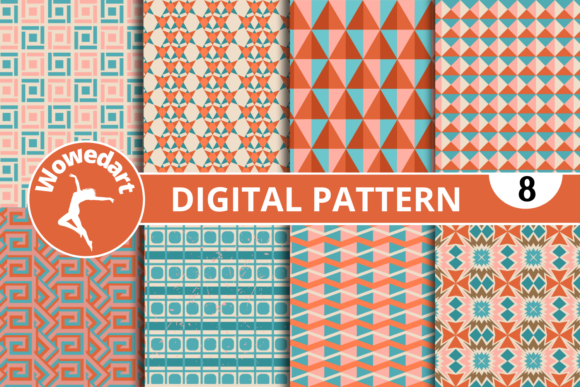
Five years ago, many creators relied on free blog downloads or low-res pattern generators—assets often riddled with inconsistent spacing, blurry edges, or awkward color palettes. Today’s users expect more: ethical licensing, transparent specs, and formats that behave reliably across tools. Geometric Digital Paper Patterns Packs reflect that shift. The inclusion of eight distinct patterns in a single ZIP file means users can test contrast, hierarchy, and mood without committing to multiple purchases. One might anchor a minimalist newsletter header; another could serve as a textured base for a layered Canva story graphic; a third may become the unifying element across a set of holiday cards.
This reflects broader changes in how people approach creative labor—not as isolated tasks, but as interconnected systems. A freelance illustrator designing merch for a local café might use one pattern for the menu board background, another for the loyalty card texture, and a third as a subtle watermark on digital receipts. That kind of cross-platform continuity used to require hours of custom creation. Now, it starts with unpacking a ZIP file.
Practical Considerations: Resolution, Format, and Real-World Use
The technical specs—JPG format, 12 x 12 inches, 3600 x 3600 px, 300 dpi—are not arbitrary. They respond directly to common production needs:
- JPG offers universal compatibility: no plugin required, no font embedding issues, no transparency complications unless intentionally layered. It’s the safe, stable choice for users moving between beginner tools (like Cricut Design Space) and pro suites (like Photoshop or InDesign).
- The 12-inch square size is a standard in print design, matching common scrapbook paper dimensions, vinyl cutter beds, and desktop printer capabilities. It also allows easy resizing down for web use (e.g., 1200 x 1200 px for Instagram) without losing fidelity.
- 300 dpi ensures sharpness for physical output—critical for letterpress invitations, foil-stamped packaging, or fabric printing. At that resolution, fine lines remain crisp, gradients stay smooth, and halftone effects (if included) render accurately.
Importantly, these files don’t demand advanced software knowledge. You don’t need to understand vector tiling algorithms to get results. Drag the file into Canva, adjust blend mode to Multiply or Overlay for depth, and place your text. Import into Silhouette Studio, set the fill to “pattern,” and scale to fit your cut line. Drop into PowerPoint, send to back, and watch your slide gain quiet sophistication.
Who Benefits—and How They Use It Differently
A marketing manager launching a new wellness product line might use a soft, interlocking circle pattern as a calming background for email headers—reinforcing themes of connection and wholeness. A ceramicist selling mugs on Etsy could apply a bold angular motif to cup mockups, then reuse the same pattern in her shop banner and packaging insert—creating instant visual recognition. An educator preparing STEM activity kits might choose a tessellated triangle pattern for printable graphing sheets, subtly reinforcing geometry concepts through ambient exposure.
Even hobbyists benefit. Someone stitching a cross-stitch pattern doesn’t need to draw their own background grid—they can print one of these papers at home, trace the layout, and stitch with confidence. No special equipment. No learning curve. Just clarity, consistency, and creative space.
Looking Ahead: Simplicity With Substance
Future iterations of pattern-based design assets will likely emphasize modularity—patterns designed to layer, recolor, or adapt responsively—but the core value remains unchanged: reducing friction so creators can focus on meaning, not mechanics. Geometric Digital Paper Patterns Packs succeed because they honor that priority. They don’t promise to “revolutionize” your process. They promise to make your next project start five minutes sooner, look three percent more polished, and feel significantly less stressful to execute.
That’s not flashy. But for the teacher prepping Friday’s lesson, the entrepreneur updating their Shopify banner before a product launch, or the grandparent designing a birthday card for their granddaughter—it’s exactly what good design support should be: dependable, respectful of time, and quietly empowering.